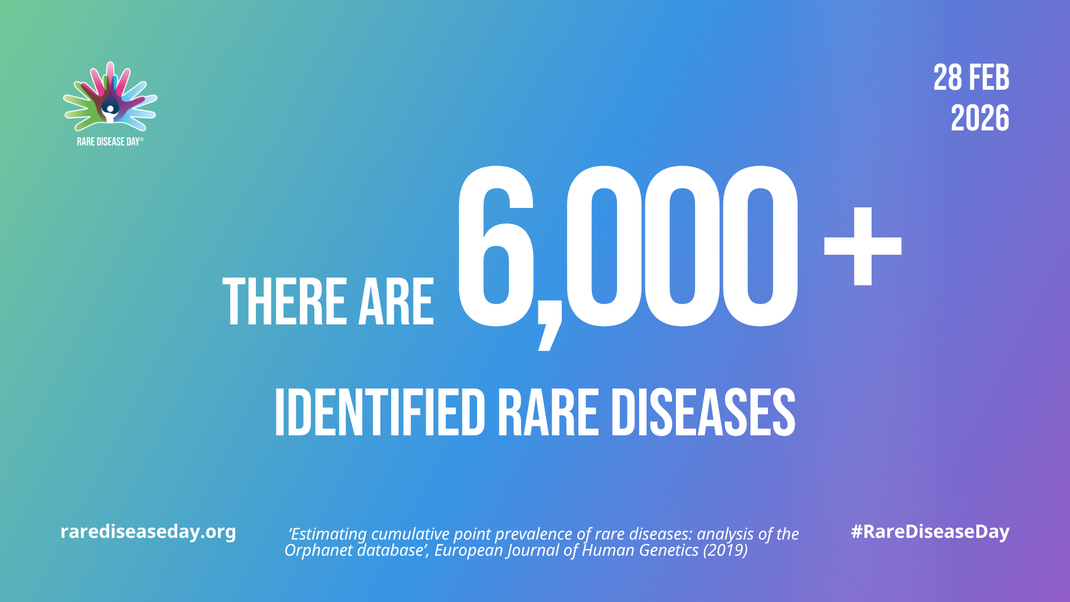
Around 300 million people worldwide (3.5-5.9% of the population) live with one of more than 6,000 rare diseases - 72% of which are genetic. A lack of knowledge, unspecific symptoms and limited access to specialised care often lead to misdiagnosis and long diagnostic paths.
Sustainable progress requires internationally networked research and evidence-based care pathways to reduce delays and ensure equitable access to healthcare.
To support this mission, the Swiss Neurological Society (SNS) brings together experts in its Rare Diseases Task Force, coordinates forces, pools knowledge and advocates for better care for patients.
Insights from the Rare Diseases Task Force
To mark World Rare Disease Day 2026, we asked Prof Hans H. Jung, MD, President of the SNS Rare Disease Task Force, three key questions:
Many rare diseases show neurological or neuromuscular symptoms. Where do you currently see the greatest challenges in diagnostics and care?
"There is a wide range of rare diseases with neurological and/or neuromuscular manifestations. A major challenge is establishing an accurate diagnosis for these, the majority of which are genetically determined.
A correct genetic diagnosis allows for assessment of prognosis, determination of the risk for family members, initiation of preventive measures against expected disease-associated complications, and, where available, the start of causal therapy. Fortunately, it is expected that in the future, targeted therapies will increasingly become available for these conditions, with the potential to positively influence disease progression.
Many affected individuals experience progressive and disabling neurological and/or neuromuscular symptoms that require specialized and interdisciplinary care. An accurate diagnosis is essential for providing optimal treatment to patients according to established international guidelines. Moreover, it enables participation in national and international registries."
The task force wants to involve different regions and care areas. Why is this broad composition crucial?
"It is extremely important for those affected that adequate care services are available within a feasible distance in terms of space and time. In addition to the reference centres for rare neuromuscular diseases and rare diseases of the central nervous system, smaller institutions and neurological practices are also of great importance for the adequate regional care of the many people affected by rare neurological and neuromuscular diseases."
What specific goals does the task force want to achieve in the next 2-3 years?
"The Task Force is committed to the development of functioning and sustainable care networks in order to best meet the needs of people affected by rare neurological diseases and their families."
- Prof. Dr. med. Hans H. Jung, President of the Rare Diseases Task Force
Members of the Rare Diseases Task Force
- Prof. Dr. med. Hans H. Jung
- PD Dr. med. Violeta Mihaylova
- PD Dr. med. Tatiana Bremova-Ertl